Koreanculture 169

Korean Folktale : The Small Wisdom That Saved a Family

🌾 Korean Folktale Series 74 “The Small Wisdom That Saved a Family”(가족을 살린 작은 지혜 · Gajok-eul Salin Jageun Jihye)🕰️ 1. The StoryIn a peaceful village surrounded by green paddies, there lived a farmer named Do-hyun, his wife Sook-ja, and their clever young daughter So-mi. Though poor, the family lived happily, working together and sharing simple meals under their thatched roof.One summer, a sever..

Korean Traditional Game : Muldongi Igo Dalligi

Korean Traditional Game Series 47 Muldongi Igo Dalligi(물동이 이고 달리기 · Korean Water Jar Carrying Race)🕰️ 1. IntroductionMuldongi Igo Dalligi (물동이 이고 달리기), or Water Jar Carrying Race, is a lively and laughter-filled traditional Korean game inspired by everyday rural life.In the past, carrying water from a well or stream was a daily task — especially for women and children.This game transformed that..

Stories of Korea’s National Treasures : Stele of Buddhist Monk Jingam at Ssanggyesa Temple

Stories of Korea’s National Treasures 47Photo Credit: Cultural Heritage Administration of KoreaStele of Buddhist Monk Jingam at Ssanggyesa Temple(Hadong, Gyeongsangnam-do)🏯 1. A Monument to a Great Zen MasterIn the tranquil valley of Ssanggyesa Temple in Hadong stands a grand stone stele — the Stele of Buddhist Monk Jingam (Jingam Seonsa Tapbi), a monument dedicated to one of the most revered m..

Korean Proverb : Not Knowing the Letter ‘ㄱ’ Even with a Sickle Laid Down

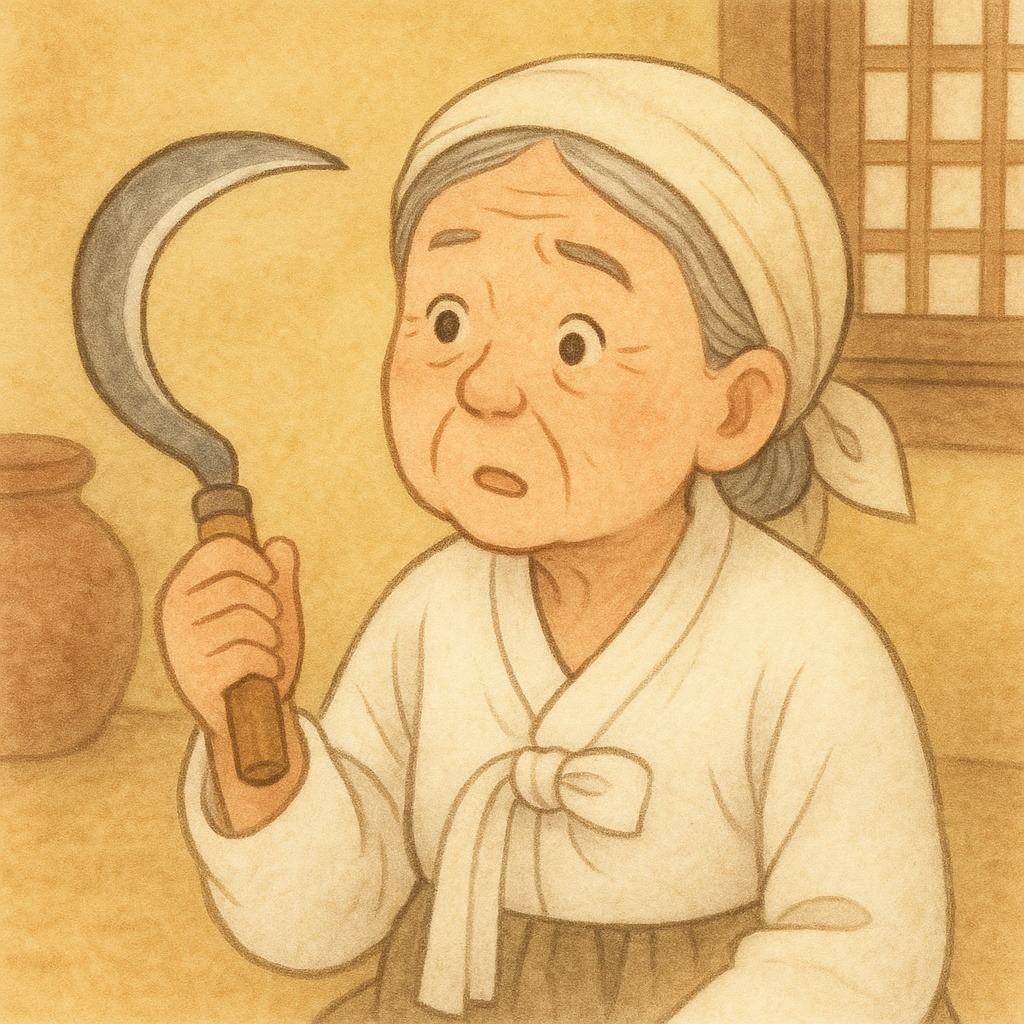
Korean Proverb Series 73Not Knowing the Letter ‘ㄱ’ Even with a Sickle Laid Down“낫 놓고 기역자도 모른다”(Nat nokko giyeokjado moreunda)🕰️ 1. The Proverb’s Core MeaningThe Korean proverb “낫 놓고 기역자도 모른다” literally means“Even with a sickle laid down, one doesn’t recognize the letter ‘ㄱ’.”Since the Korean letter ‘ㄱ’ resembles the shape of a sickle,this saying refers to someone who is extremely ignorantor doe..

Korean Folktale : The Goblin Under the Persimmon Tree

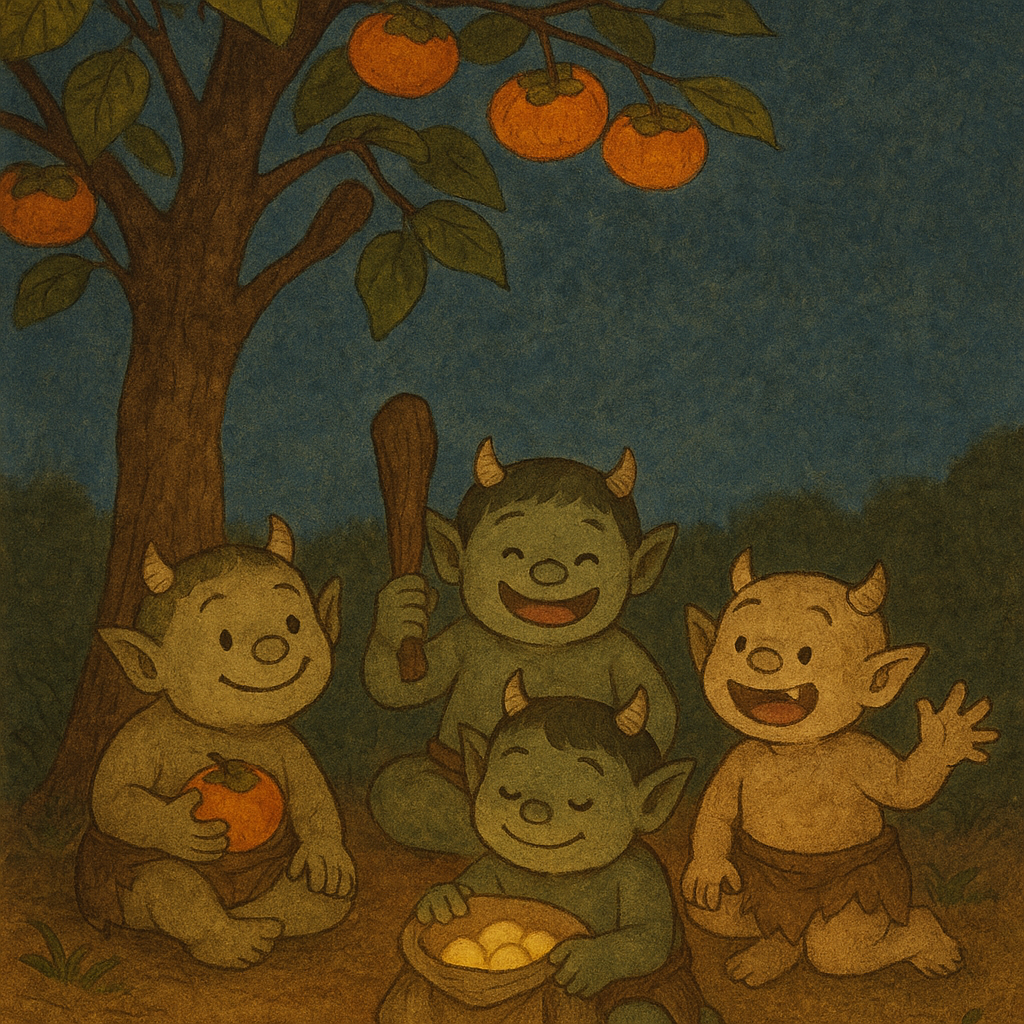
🎃 Korean Folktale Series 73 “The Goblin Under the Persimmon Tree”(감나무 아래 도깨비 · Gamnamu Arae Dokkaebi)🕰️ 1. The StoryIn a small countryside village, there stood an old persimmon tree whose branches bent low with bright orange fruit every autumn. The villagers loved the sweet persimmons, but they avoided the tree at night—because, they whispered, a dokkaebi (goblin) lived beneath it.Dokkaebi wer..

Korean Traditional Game : Namukkun Nori

🪵 Korean Traditional Game Series 46 Namukkun Nori(나무꾼놀이 · Korean Woodcutter Play)🕰️ 1. IntroductionNamukkun Nori (나무꾼놀이), or Woodcutter Play, is a traditional Korean children’s role-playing game inspired by the daily lives of woodcutters in mountain villages.Before modern toys existed, children often mimicked the adults around them — farmers, fishermen, and woodcutters — turning real-life lab..

Stories of Korea’s National Treasures : Wall Paintings of Josadang Hall, Buseoksa Temple

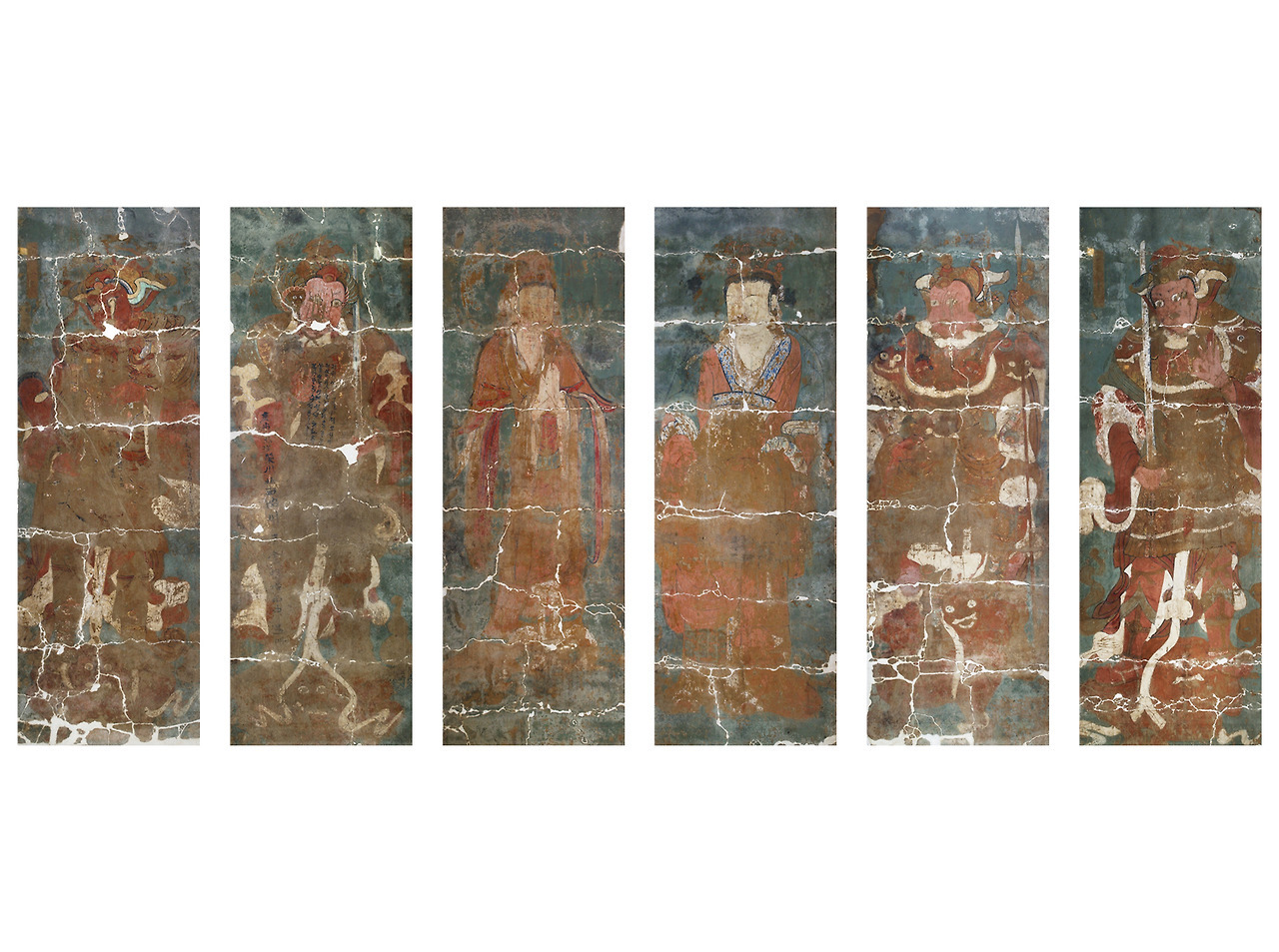
Stories of Korea’s National Treasures 46Photo Credit : Cultural Heritage Administration of KoreaWall Paintings of Josadang Hall, Buseoksa Temple(Yeongju, Gyeongsangbuk-do)🏯 1. Colors That Whisper Across a Thousand YearsHidden within the quiet Josadang Hall of Buseoksa Temple are ancient wall paintings — silent witnesses to Korea’s early Buddhist artistry.Created during the late Goryeo to early ..

Korean Proverb : Looking for Scorched-Rice Tea at the Well

Korean Proverb Series 72Looking for Scorched-Rice Tea at the Well“우물가에서 숭늉 찾는다”(Umulga-eseo sungnyung channeunda)🕰️ 1. The Proverb’s Core MeaningThe Korean proverb “우물가에서 숭늉 찾는다” literally means“Looking for scorched-rice tea at the well.”It describes a situation where someone seeks something in a place where it clearly cannot be found —a mismatch between desire and reality.Just as scorched-rice..

Korean Proverb : No One Spits in a Smiling Face

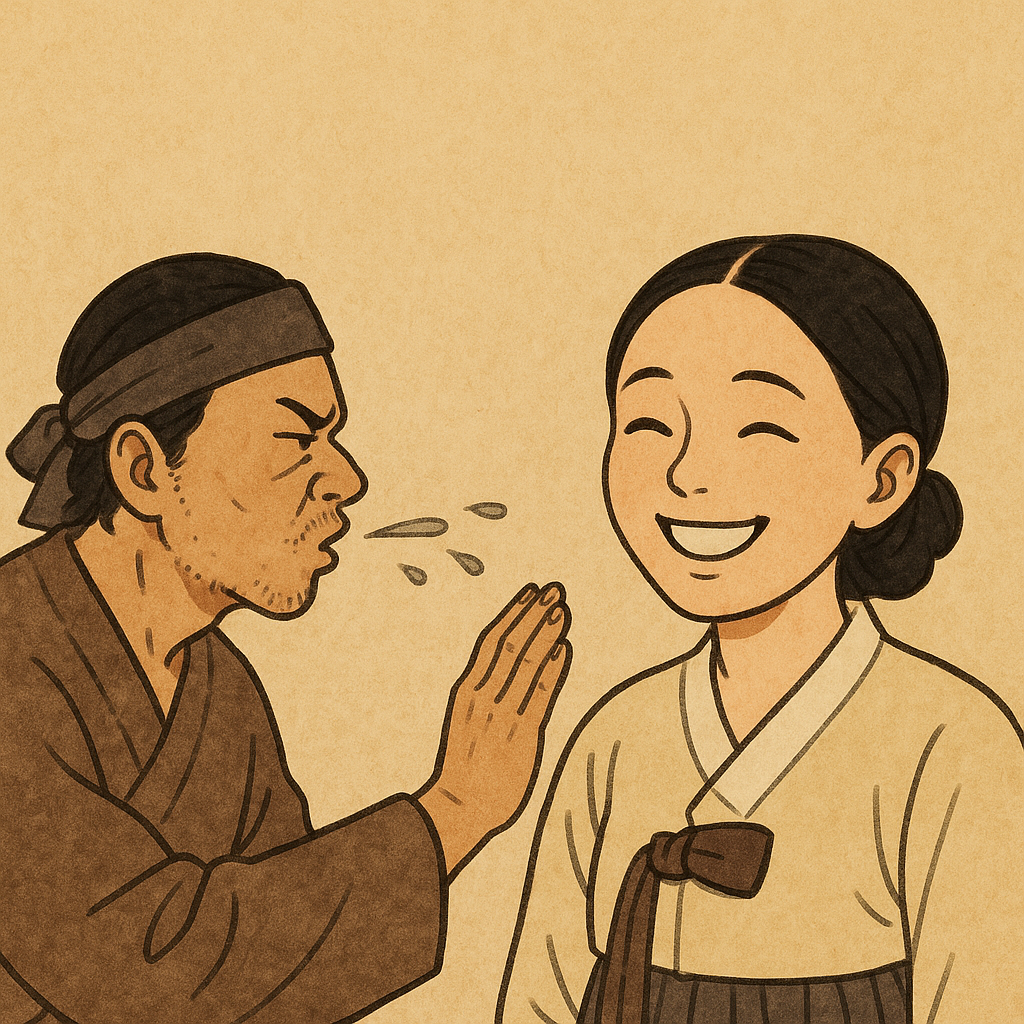
Korean Proverb Series 71No One Spits in a Smiling Face“웃는 얼굴에 침 못 뱉는다”(Unneun eolgure chim mot baetneunda)🕰️ 1. The Proverb’s Core MeaningThe Korean proverb “웃는 얼굴에 침 못 뱉는다” literally means“No one can spit at a smiling face.”It teaches that kindness disarms hostility.A warm smile softens anger, reduces tension,and makes it difficult for others to act with malice.This saying reminds us that gent..

Korean Folktale : Who Is the Child Beneath the Bridge

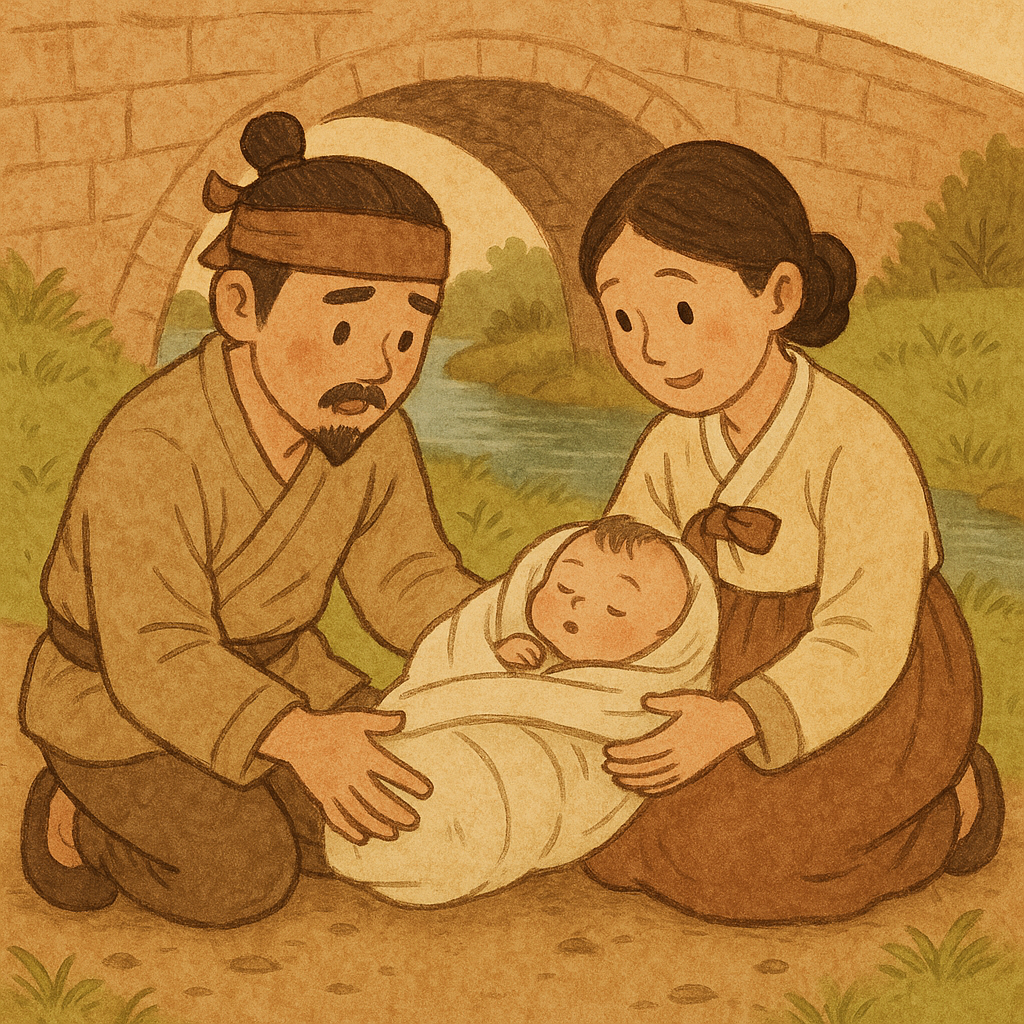
🌉 Korean Folktale Series 72 “Who Is the Child Beneath the Bridge?”(다리 밑의 아이는 누구인가 · Dari Mit-ui Ai-neun Nuguinga)🕰️ 1. The StoryLong ago, during a season of heavy rains, a small village by the river overflowed with fear and worry. The waters rose day by day, threatening homes and washing away fields. At the edge of the village stood an old stone bridge, cracked and weary from years of storms.O..