전체 글 856

한국 속담 : 품 안의 자식

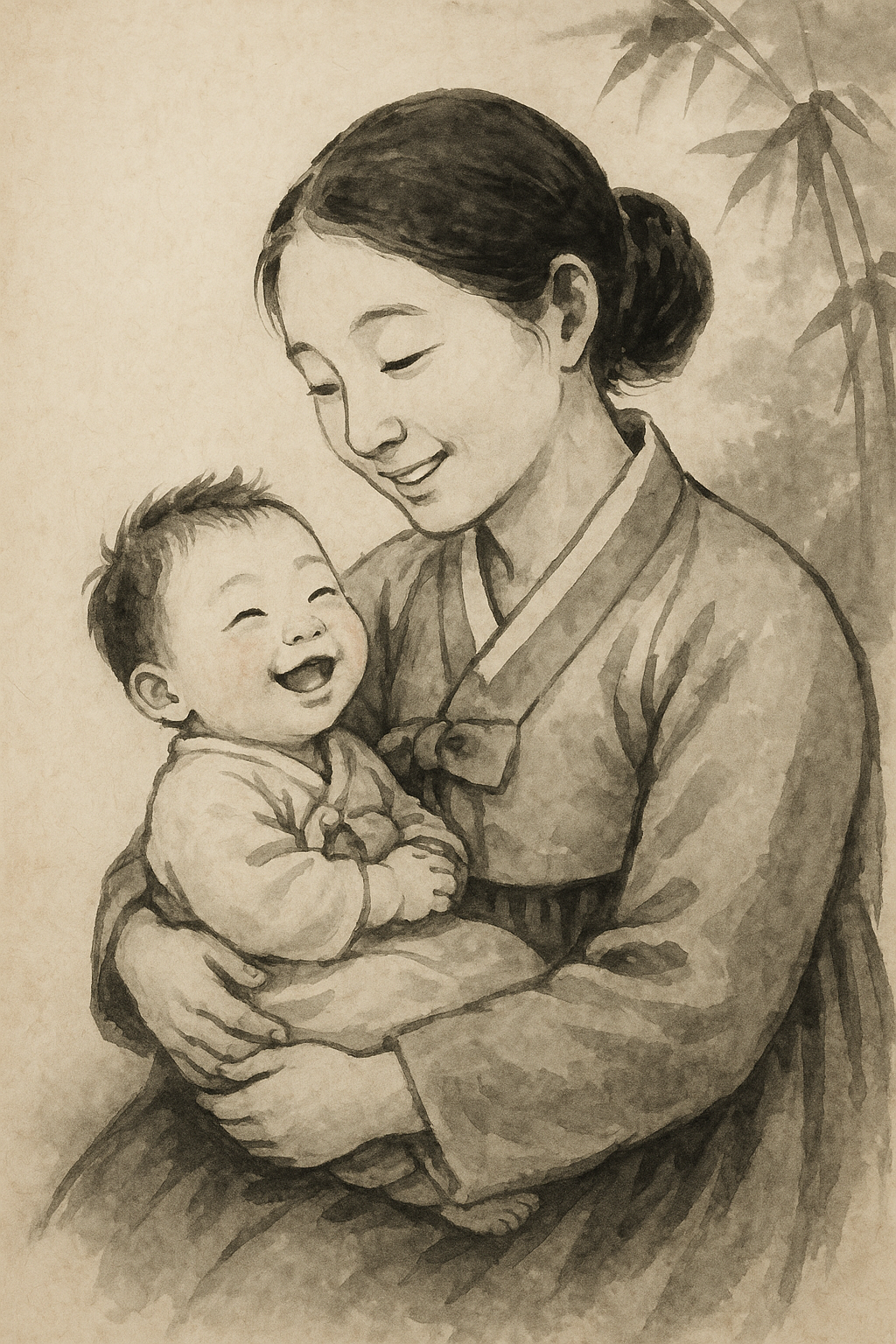
🌷 한국 속담 196편 – 품 안의 자식🕰️ 1. 속담 뜻풀이“품 안의 자식”은 부모의 손길 안에서 보살핌을 받으며 자라는 어린 자식을 뜻합니다.이 속담은 단순히 나이 어린 자식을 말하는 게 아니라, 부모의 보호와 사랑이 닿는 시기를 상징적으로 표현한 말이에요. 즉, 부모가 자식을 품에 안고 돌볼 수 있을 때가 가장 행복한 시기이며, 그 시간이 지나면 자식은 부모의 품을 떠나 제 인생을 살아간다는 뜻을 내포합니다. 🌾 2. 삶의 예시▪️ 어린 자식을 매일 안고 재워주던 시절을 그리워하는 부모의 마음.▪️ 아이가 커서 독립하자 허전함을 느끼는 부모의 이야기.▪️ 부모의 손을 벗어나 세상으로 나아가는 자식을 바라보는 따뜻한 이별의 순간. 이 속담은 **‘모든 사랑에는 떠나보내야 할 때가 있다’**는 인..
한국 설화 : 철원 노동당사 귀신 이야기

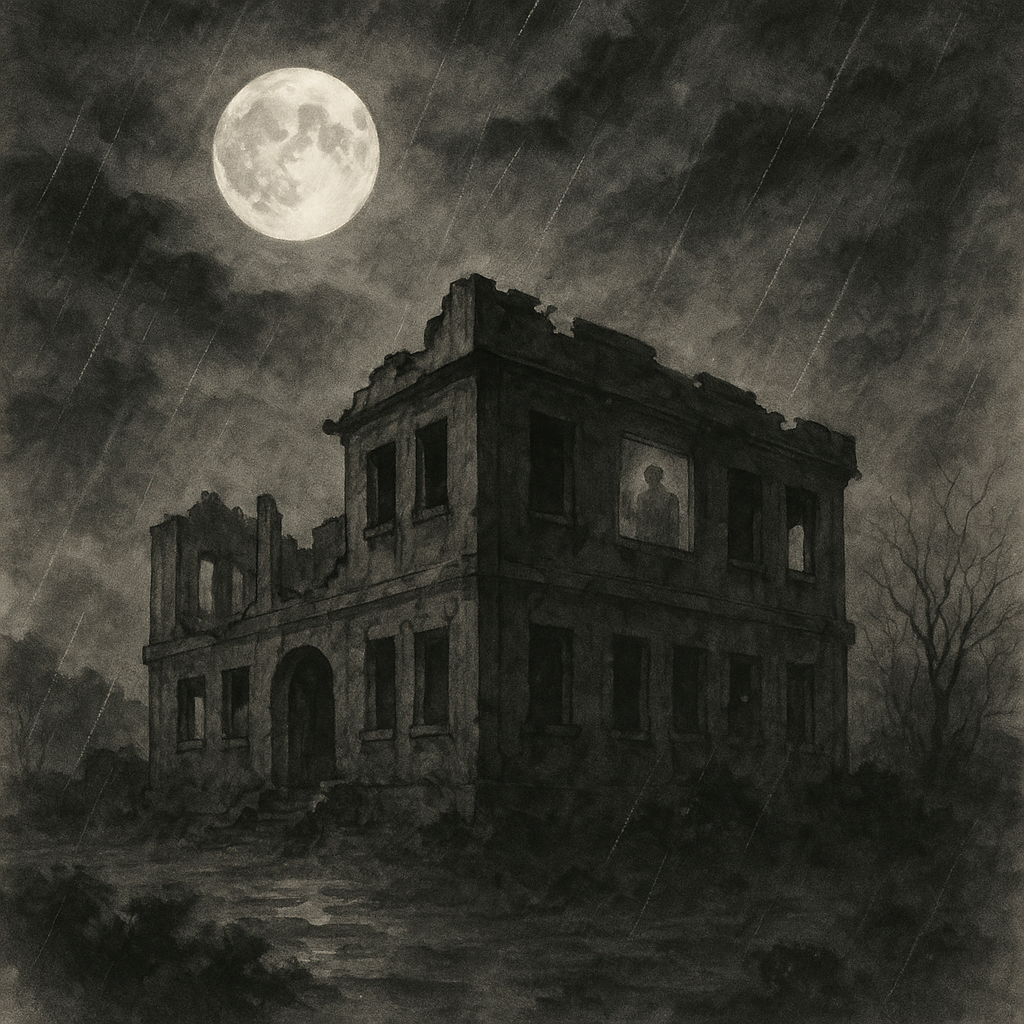
🏚️ 한국 설화 199편 – 철원 노동당사 귀신 이야기강원도 철원 평야 한가운데, 황폐한 콘크리트 건물이 서 있습니다.바로 **철원 노동당사(鐵原 勞動黨舍)**입니다.지금은 폐허로 남았지만, 그 벽과 그림자 속에는 전쟁의 비극과 원혼의 이야기가 서려 있다고 전해집니다.📜 1. 붉은 깃발 아래의 건물옛날 1940년대 후반, 이곳은 북쪽의 권력을 상징하는 장소로 세워졌습니다.튼튼한 콘크리트와 붉은 깃발이 걸린 건물 안에서는 수많은 사람들이 모여 회의를 하고 구호를 외쳤습니다.하지만 그 뒤에서는 억울하게 끌려온 사람들의 울음소리와 신음이 끊이지 않았다고 합니다.밤마다 그 안에서는 “살려 달라…”는 낮은 목소리가 들렸고, 그 말에 귀를 기울인 사람은 반드시 다음 날 아침 사라졌다고 전해집니다.🌙 2. 밤마..

한국 전통놀이 : 풀각시놀이

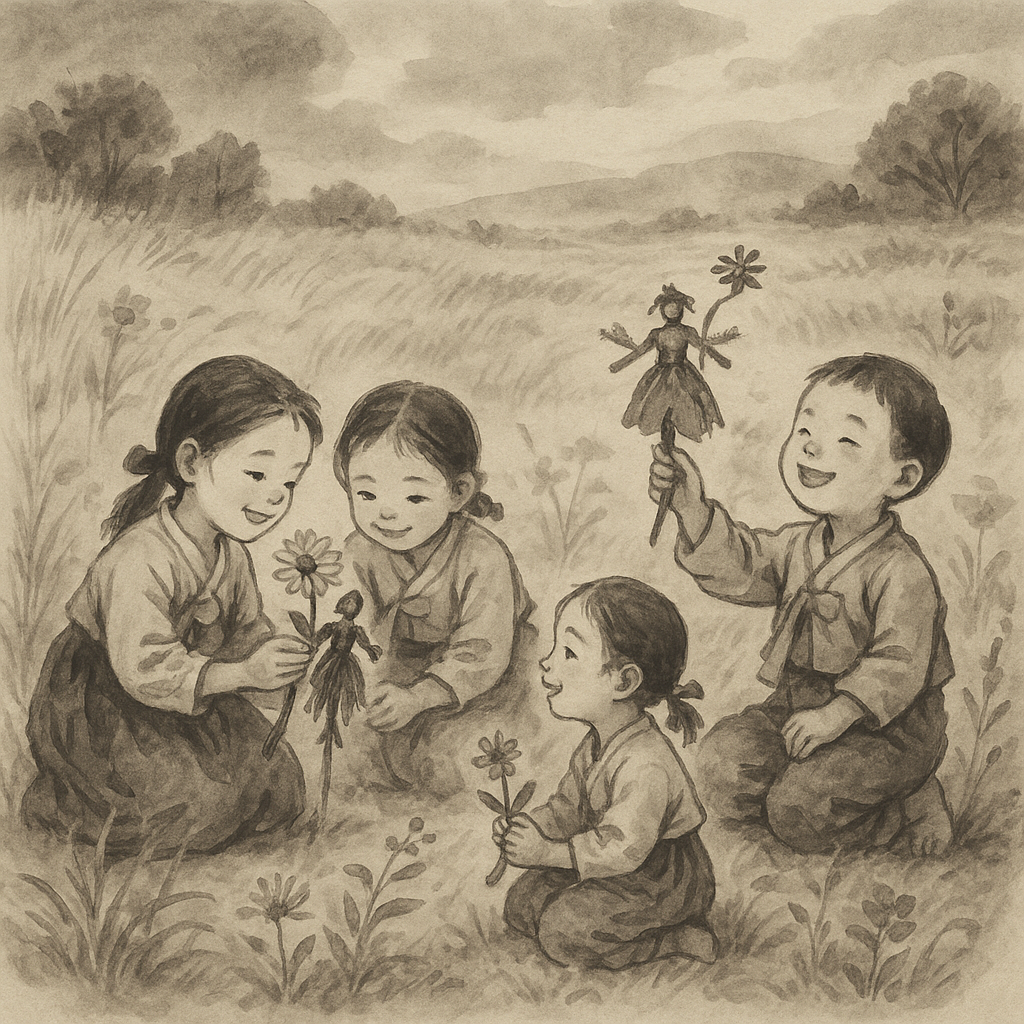
🎋 한국 전통놀이 84편 풀각시놀이 – 자연에서 피어난 아이들의 인형극✨ 1. 놀이의 개요풀각시놀이는 들판이나 산자락에서 자라는 풀잎과 꽃잎으로 ‘각시(신부)’를 만들어 놀던 전통 어린이 놀이입니다.‘풀각시’란 풀잎으로 만든 신부 인형을 뜻하며, 아이들이 풀로 인형의 머리, 옷, 장신구를 만들고 친구들과 결혼식 놀이를 하거나 이야기를 꾸며 놀았습니다. 이 놀이는 창의력과 상상력, 자연 친화적인 감성을 키우는 대표적인 민속놀이로, 농촌 마을의 소녀들에게 특히 사랑받았습니다. 🎍 2. 놀이의 유래풀각시놀이는 자연 속에서 놀던 아이들의 생활 놀이로 생겨났습니다.옛날에는 장난감이 흔하지 않아, 아이들은 들꽃이나 풀잎을 모아 사람 모양을 만들며 놀았습니다. ‘각시’는 전통 혼례에서 신부를 의미했기 때문에, ..

한국의 국보 : 경주 정혜사지 십삼층석탑

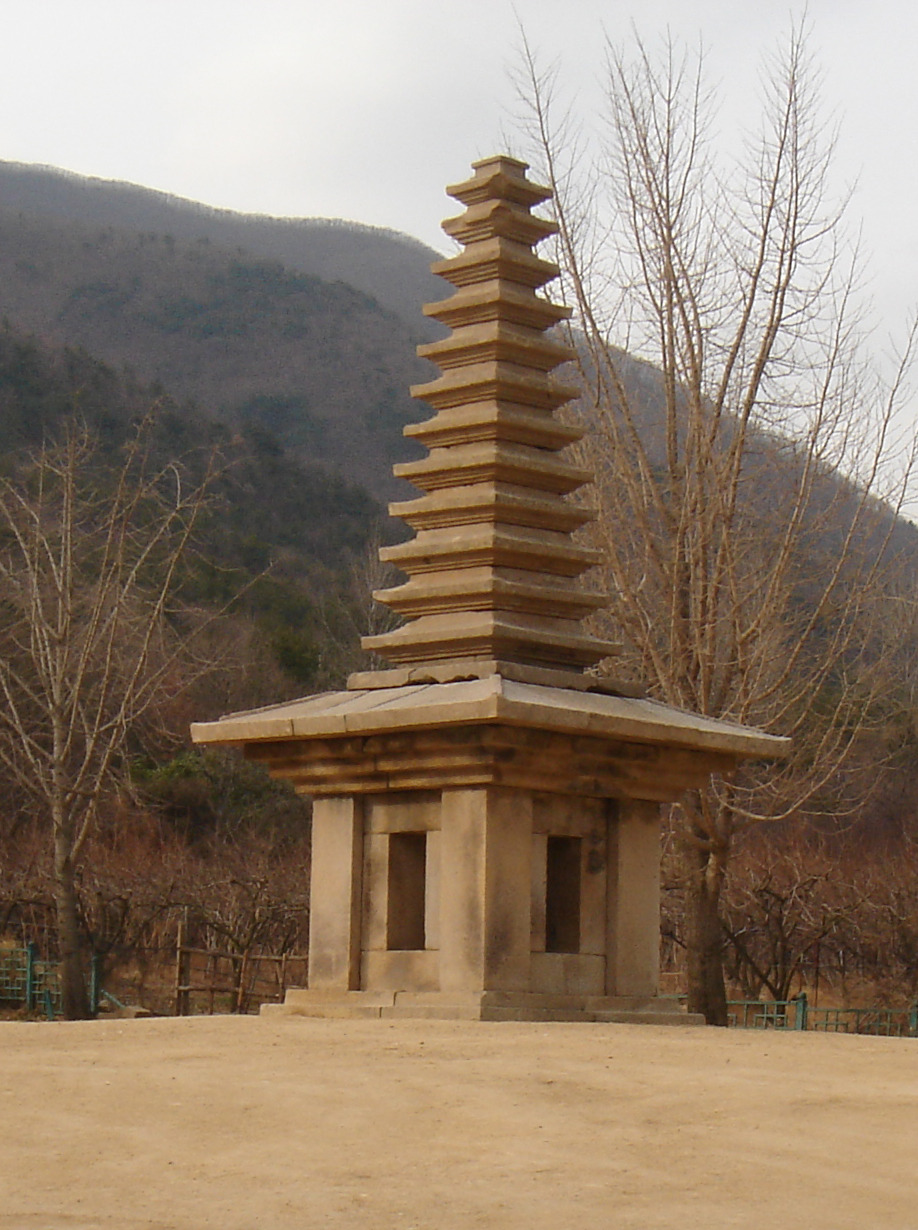
한국의 국보 이야기 시리즈 40사진출처 : 국가유산청 - 경주 정혜사지 십삼층석탑 - 📍 위치: 경상북도 경주시 구황동⏳ 시대: 통일신라 후기(9세기경)✨ 1. 역사와 개요경주 정혜사지 십삼층석탑은 한국에서 가장 오래된 다층석탑으로, 단아하면서도 장엄한 비례미로 통일신라 석조미술의 정수를 보여주는 작품입니다. 이 탑은 ‘정혜사(淨惠寺)’라는 절터에 세워졌는데, 사찰은 사라졌지만 탑만은 천 년 넘게 그 자리를 지키며, 불교 신앙과 예술의 상징으로 남아 있습니다. 십삼층이라는 층수는 단순한 장식이 아니라, **‘깨달음의 13단계’**를 상징하며 불교적 세계관을 형상화한 것입니다.🏛️ 2. 구조와 특징전체 높이 약 5.9m, 1단 기단 위에 13층의 탑신을 세운 구조입니다.탑 전체가 하나의 돌기둥처럼 안정..

Korean Proverb : Hiding a Duck’s Foot After Eating the Chicken

Korean Proverb Series 46Hiding a Duck’s Foot After Eating the Chicken“닭 잡아먹고 오리발 내민다”(Dak jabameokgo oribal naeminda)🕰️ 1. The Proverb’s Core MeaningThe Korean proverb “닭 잡아먹고 오리발 내민다” literally means“After eating the chicken, one shows a duck’s foot.”It describes someone who commits a wrongdoing but pretends to be innocent, offering an unconvincing excuse instead.The image is comical — as if s..

Korean Proverb : Measuring the Height of Acorns

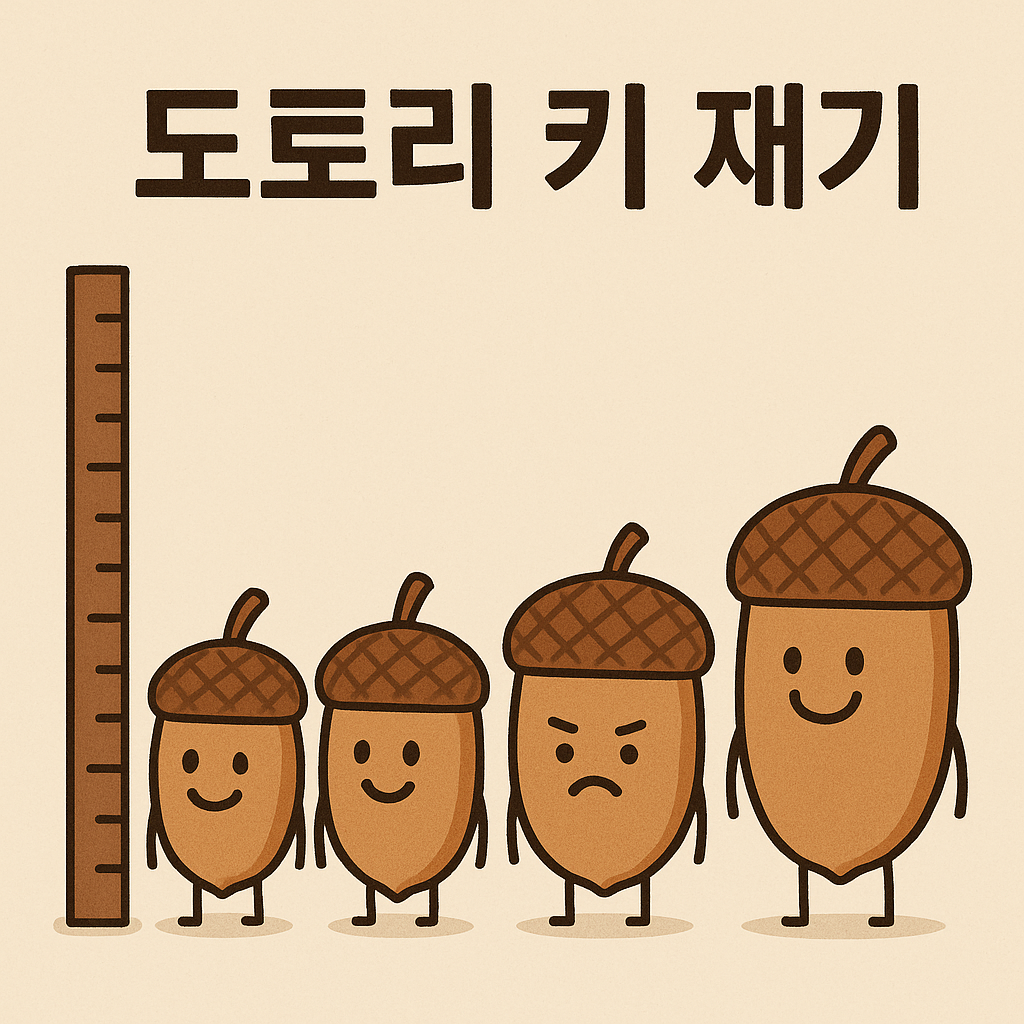
Korean Proverb Series 45Measuring the Height of Acorns“도토리 키 재기”(Dotori ki jaegi)🕰️ 1. The Proverb’s Core MeaningThe Korean proverb “도토리 키 재기” literally means“Measuring the height of acorns.”It describes a situation where differences are so smallthat comparing them is meaningless.Just as all acorns are nearly the same size, some comparisons in life bring no real insight — only pride or frustrat..

Korean Folktale : The Tears of the Dutiful Daughter Ji-eun

💧 Korean Folktale Series 46“The Tears of the Dutiful Daughter Ji-eun”(효녀 지은의 눈물 · Hyonyeo Ji-eun-ui Nunmul)🕰️ 1. The StoryLong ago, in a quiet village near a mountain stream, there lived a kind young woman named Ji-eun, who cared for her blind mother. Their home was poor, but filled with warmth and laughter. Each morning, Ji-eun fetched water, cooked rice, and guided her mother’s hands to the ..

Korean Folktale : The King Crab and the Sea God

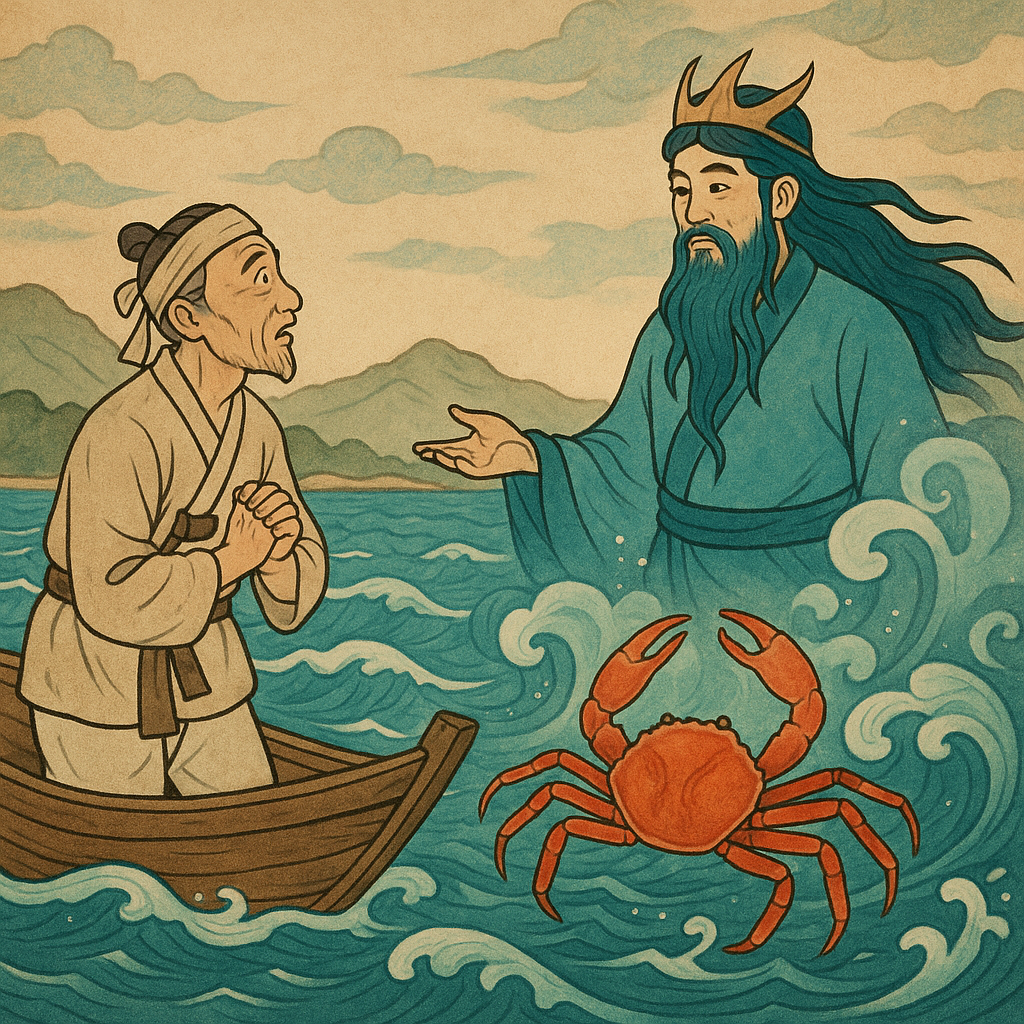
🌊 Korean Folktale Series 45“The King Crab and the Sea God”(울진 대게와 바다신 · Uljin Daege-wa Badashin)🕰️ 1. The StoryLong ago, in the coastal village of Uljin, fishermen depended on the sea for everything—food, livelihood, and even hope. But one year, fierce storms battered the shore, and the waves swallowed their boats. No fish could be found, and hunger spread through the village. One humble fishe..

Korean Traditional Game : Ssibburigi Nori

🍂 Korean Traditional Game Series 32Ssibburigi Nori(씨 뿌리기놀이 · Korean Seed-Sowing Festival Game)🕰️ 1. IntroductionSsibburigi Nori (씨 뿌리기놀이), meaning “seed-sowing play,” is a traditional Korean agricultural festival held in spring to celebrate the beginning of a new farming season.It symbolizes renewal, gratitude, and hope for a bountiful harvest.Long before machinery, Korean farmers worked close..

Stories of Korea’s National Treasures : Tripitaka Koreana Woodblocks of Haeinsa Temple

Stories of Korea’s National Treasures 32Photo Credit: Cultural Heritage Administration of KoreaTripitaka Koreana Woodblocks of Haeinsa Temple(Hapcheon, Gyeongsangnam-do)🏯 1. The Scriptures Carved in FaithDeep in the mountains of Hapcheon, within the serene halls of Haeinsa Temple, rest over 80,000 wooden printing blocks known as the Tripitaka Koreana, or Palman Daejanggyeong — literally “Eighty..