분류 전체보기 856

Korean Proverb : Give a Peck and Receive a Bushel

Korean Proverb Series 54Give a Peck and Receive a Bushel“되로 주고 말로 받는다”(Doero jugo mallo batneunda)🕰️ 1. The Proverb’s Core MeaningThe Korean proverb “되로 주고 말로 받는다” literally means“Give by the peck and receive by the bushel.”It means that what you do — whether good or bad —returns to you in greater measure.A small deed, word, or intention can multiply in effect,bringing back consequences far bey..

Korean Proverb : The Crayfish Sides with the Crab

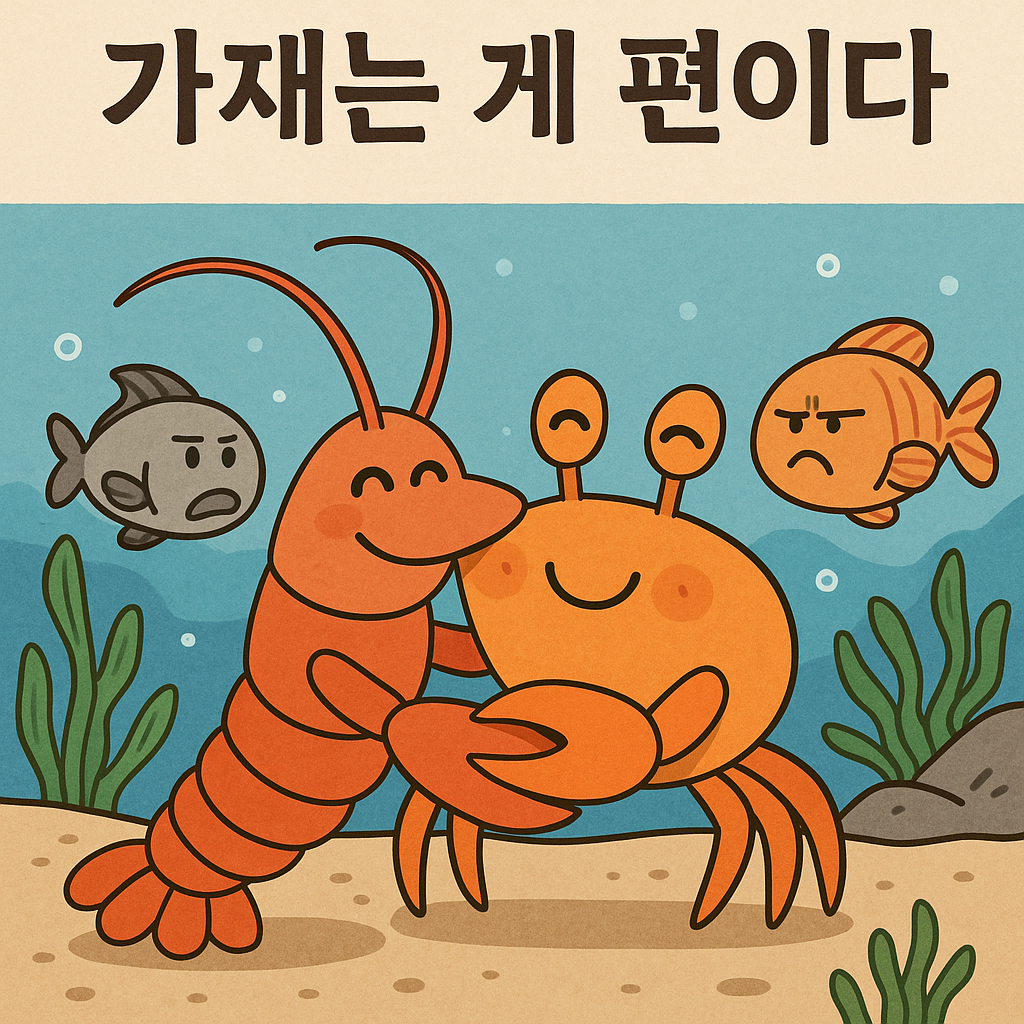
Korean Proverb Series 53The Crayfish Sides with the Crab“가재는 게 편이다”(Gajaneun ge pyeonida)🕰️ 1. The Proverb’s Core MeaningThe Korean proverb “가재는 게 편이다” literally means“The crayfish sides with the crab.”It humorously describes how people tend to side with those who are similar to them —in background, interest, or perspective — regardless of what’s right or wrong.The proverb reflects a timeless t..

Korean Folktale : The Four Seasons Goddess

🌸 Korean Folktale Series 54“The Four Seasons Goddess”(사계절 여신 이야기 · Sagyejeol Yeosin Iyagi)🕰️ 1. The StoryLong ago, before humans counted time by calendars or stars, the earth lay in eternal stillness. The sun shone without rest, rivers never froze, and flowers never faded. Life flourished—but the world grew weary. The gods gathered atop Baekdu Mountain, the highest peak, to seek balance for al..

Korean Folktale : The Journey to the Underworld for a Poor Mother

🌒 Korean Folktale Series 53“The Journey to the Underworld for a Poor Mother”(가난한 어머니를 위한 저승길 · Gananhan Eomeoni-reul Wihan Jeoseung-gil)🕰️ 1. The StoryLong ago, in a small mountain village, there lived a poor widow and her only son, Dong-hyun. Though their home was no bigger than a straw hut, the boy’s heart overflowed with love for his mother. He worked every day cutting wood and gathering he..

Korean Traditional Game : Jangseung Seugi Nori

🍂 Korean Traditional Game Series 36Jangseung Seugi Nori(장승세우기놀이 · Korean Totem Pole-Raising Game)🕰️ 1. IntroductionJangseung Seugi Nori (장승세우기놀이), meaning “totem pole-raising play,” is a traditional Korean communal event where villagers carve, decorate, and erect jangseung — wooden guardian poles — at the entrance of the village.This custom blended ritual, craftsmanship, and play, serving both..

Stories of Korea’s National Treasures : Bronze Bell of Sangwonsa Temple

Stories of Korea’s National Treasures 36Photo Credit : Cultural Heritage Administration of KoreaBronze Bell of Sangwonsa Temple(Pyeongchang, Gangwon-do)🏯 1. The Oldest Bronze Bell in KoreaHigh in the serene mountains of Odaesan stands Sangwonsa Temple, home to Korea’s oldest surviving bronze bell — the Bronze Bell of Sangwonsa Temple, a masterpiece of early Unified Silla metalcraft.Cast in 725 ..

한국 전통놀이 : 장대타기

🎋 한국 전통놀이 87편 장대타기 – 균형과 용기의 놀이✨ 1. 놀이의 개요장대타기는 긴 장대나 대나무를 세워 그 위를 타거나 매달려 노는 전통 어린이 놀이입니다.‘장대’란 본래 깃발을 세우거나 깃발을 꽂는 긴 막대기를 의미하며, 이 놀이는 그 장대를 단순한 도구에서 기술과 용기를 겨루는 놀이기구로 변화시킨 것입니다. 아이들은 마을의 공터나 나무 그늘 아래에서 장대를 세워 놓고 누가 더 높이 타는지, 누가 더 오래 버티는지를 겨루며 놀았습니다.이 놀이는 균형감각과 담력, 협동심을 함께 기르는 놀이로 알려져 있습니다. 🎍 2. 놀이의 유래장대타기의 기원은 무예와 민속 놀이의 결합에서 비롯된 것으로 보입니다.고려·조선시대 군사 훈련 중에도 장대오르기, 봉오르기 등의 훈련이 존재했는데, 아이들은 이러한 ..

한국의 국보 : 혜심 고신제서

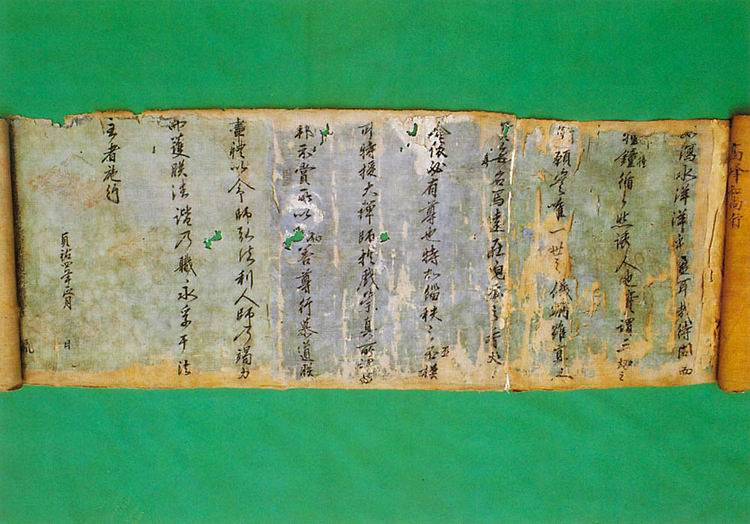
한국의 국보 이야기 시리즈 43사진출처 : 국가유산청 - 혜심 고신제서 -📍 소장처: 서울 용산 국립중앙박물관⏳ 시대: 고려 고종 12년(1225년)✨ 1. 역사와 개요**혜심 고신제서(慧諶 告身制書)**는 고려시대 고승 **혜심(慧諶, 1178~1234)**이 국가로부터 관직을 제수받은 사실을 기록한 공식 임명문서입니다. ‘고신제서(告身制書)’란 조정에서 인물에게 벼슬이나 직위를 내릴 때 발급하던 문서로, 오늘날의 임명장에 해당합니다.혜심은 **지눌(知訥)**의 제자로, 고려 불교사에서 ‘조계종’을 정립한 인물로 잘 알려져 있습니다.이 문서는 그가 ‘선문(禪門)의 중심 인물’로 공식 인정받았음을 보여주는 역사적 증거이자 불교 행정의 기록물입니다.🏛️ 2. 구조와 특징크기 약 35cm × 90cm의 ..

Korean Proverb : He Who Farts Gets Angry First

Korean Proverb Series 52He Who Farts Gets Angry First“방귀 뀐 놈이 성낸다”(Bang-gwi kkin nom-i seongnaenda)🕰️ 1. The Proverb’s Core MeaningThe Korean proverb “방귀 뀐 놈이 성낸다” literally means“The one who farted gets angry first.”It humorously describes someone who makes a mistakebut becomes defensive or angry to cover it up.By acting offended, they try to shift suspicion away from themselves.At its heart, ..

Korean Proverb : Pouring Water into a Bottomless Jar

Korean Proverb Series 51Pouring Water into a Bottomless Jar“밑 빠진 독에 물 붓기”(Mit ppajin dok-e mul butgi)🕰️ 1. The Proverb’s Core MeaningThe Korean proverb “밑 빠진 독에 물 붓기” literally means“Pouring water into a jar with no bottom.”It describes a situation where no matter how much effort you invest,nothing is achieved — because the foundation itself is flawed or missing.This saying warns against wastin..