Koreanculture 169

Stories of Korea’s National Treasures : Brick Pagoda at Bunhwangsa Temple (Mojeonseoktap)

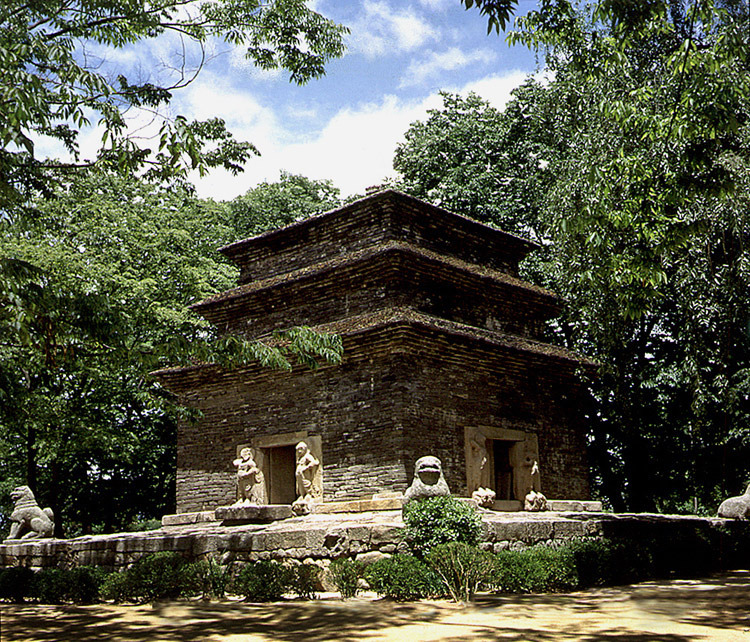
Stories of Korea’s National Treasures 30Photo Credit : Cultural Heritage Administration of KoreaBrick Pagoda at Bunhwangsa Temple (Mojeonseoktap)(Gyeongju, Gyeongsangbuk-do)🏯 1. A Stone Pagoda that Imitates BrickWithin the ancient temple grounds of Bunhwangsa in Gyeongju stands a remarkable pagoda unlike any other — the Brick Pagoda (Mojeonseoktap), meaning “stone tower imitating bricks.”Constr..
Korean Traditional Game : Chuseok Dalmajinol-i

🍂 Korean Traditional Game Series 29Chuseok Dalmajinol-i(추석 달맞이놀이 · Korean Harvest Moon Festival Game)🕰️ 1. IntroductionChuseok Dalmajinol-i (추석 달맞이놀이), meaning “moon-viewing play during Chuseok,” is one of Korea’s most cherished traditional customs.It takes place on the night of Chuseok — the Korean Harvest Moon Festival — when families and villagers gather under the bright full moon to expres..

Stories of Korea’s National Treasures : The Great Bronze Bell of King Seongdeok (Emille Bell)

Stories of Korea’s National Treasures 29Photo Credit: Cultural Heritage Administration of KoreaThe Great Bronze Bell of King Seongdeok (Emille Bell)(Gyeongju, Gyeongsangbuk-do)🏯 1. The Bell That Echoes Through TimeIn the ancient city of Gyeongju stands one of Korea’s most magnificent relics — the Great Bronze Bell of King Seongdeok, also known as the Emille Bell.Cast in 771 CE during the reign ..

Korean Traditional Game : Mosimgi Nori

🍂 Korean Traditional Game Series 28Mosimgi Nori(모심기놀이 · Korean Rice-Planting Festival Game)🕰️ 1. IntroductionMosimgi Nori (모심기놀이), or the rice-planting festival game, is a traditional Korean farming event that celebrates cooperation, song, and joy during the rice-planting season.It was not only an essential agricultural task but also a moment of unity — when villagers came together to help eac..

Stories of Korea’s National Treasures : Gilt-bronze Standing Medicine Buddha of Baengnyulsa Temple

Stories of Korea’s National Treasures 28Photo Credit: Cultural Heritage Administration of KoreaGilt-bronze Standing Medicine Buddha of Baengnyulsa Temple(Gyeongju, Gyeongsangbuk-do)🏯 1. The Buddha Who Heals with LightOn the serene grounds of Baengnyulsa Temple in Gyeongju stands the Gilt-bronze Standing Medicine Buddha (Bhaisajyaguru), a luminous figure of healing and hope.Created in the Unifie..

Korean Traditional Game : Haemajinol-i

🍂 Korean Traditional Game Series 27Haemajinol-i(해맞이놀이 · Korean New Year’s Sunrise Game)🕰️ 1. IntroductionHaemajinol-i (해맞이놀이), meaning “sunrise greeting play,” is a traditional Korean custom in which people gather to watch the first sunrise of the New Year.This beautiful tradition reflects the Korean spirit of renewal — welcoming a fresh beginning with gratitude, hope, and shared joy.Families ..

Stories of Korea’s National Treasures : Gilt-bronze Amitabha Buddha Statue of Bulguksa Temple

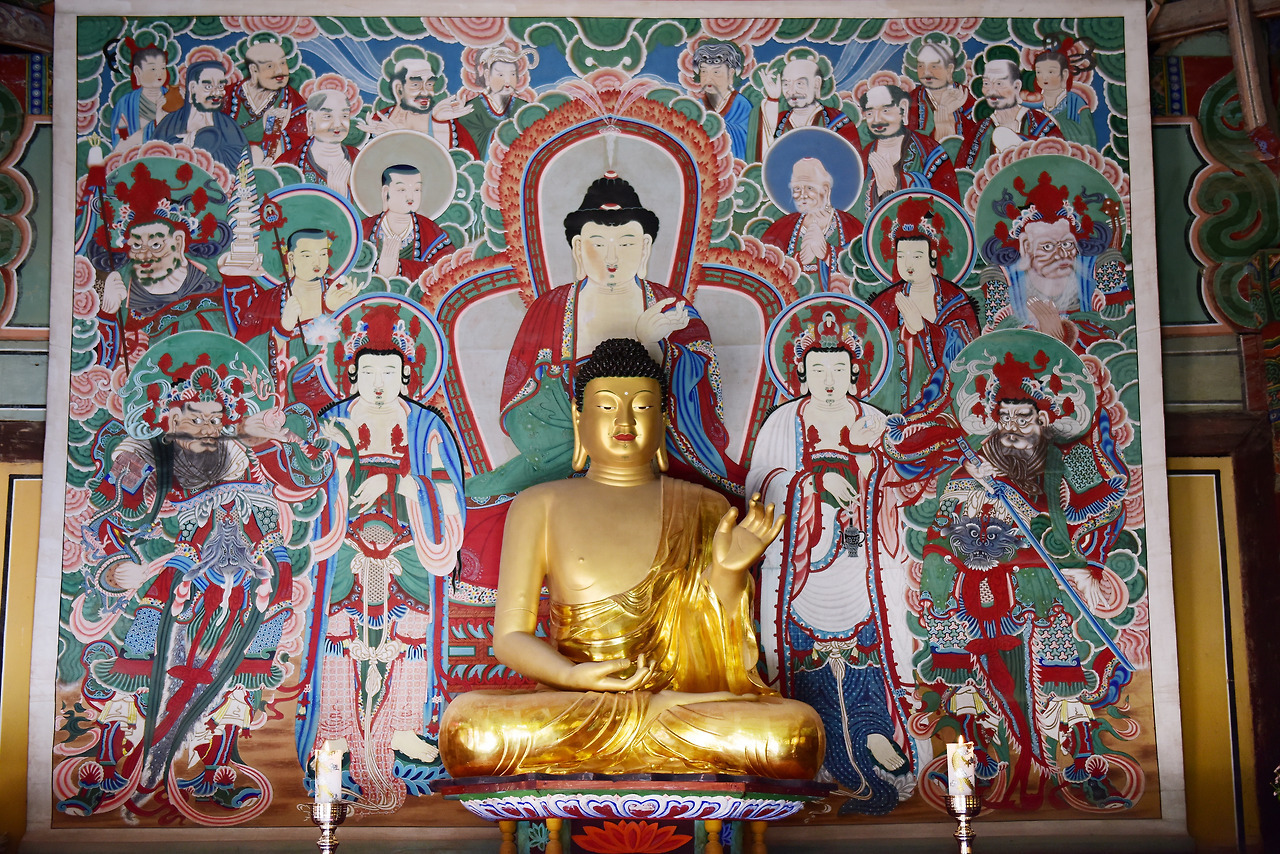
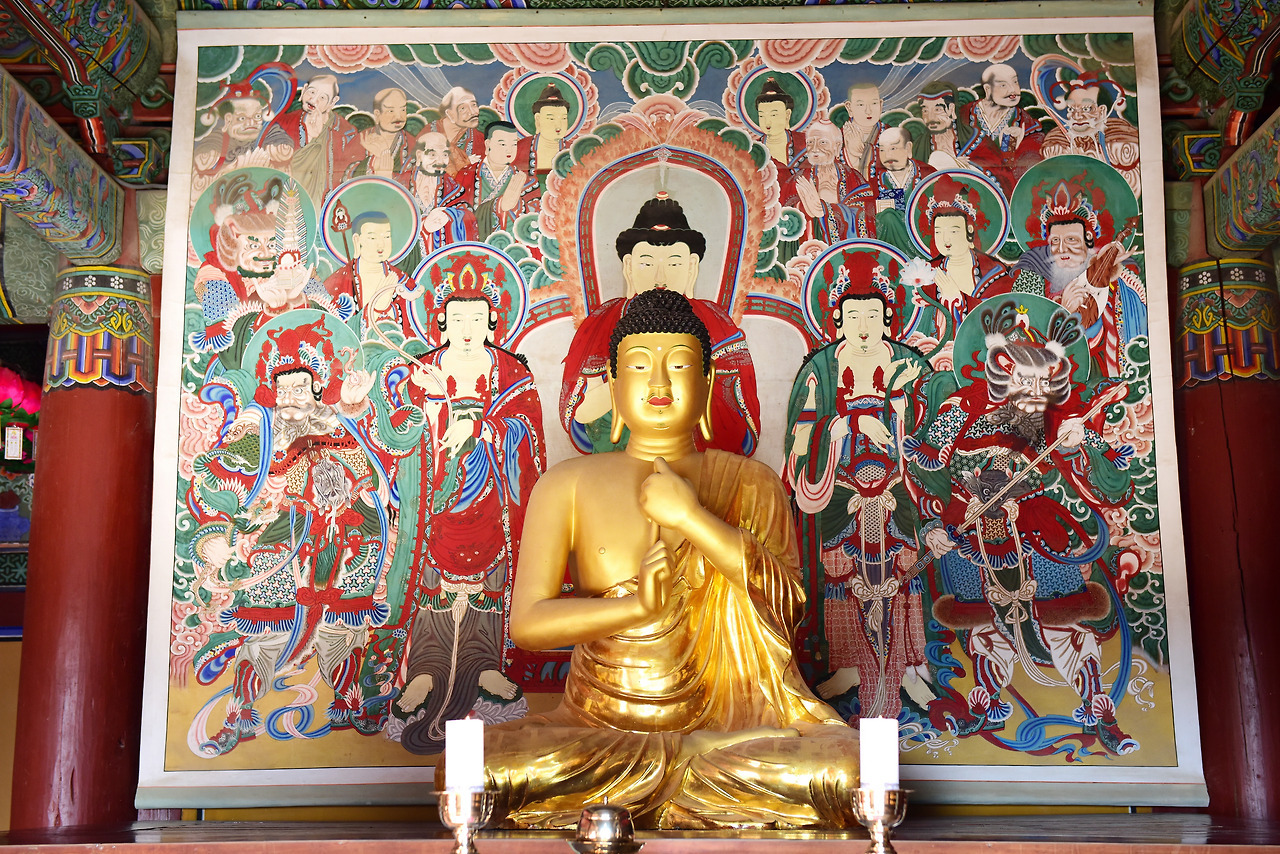
Stories of Korea’s National Treasures 27Photo Credit: Cultural Heritage Administration of KoreaGilt-bronze Amitabha Buddha Statue of Bulguksa Temple(Gyeongju, Gyeongsangbuk-do)🏯 1. The Buddha of Infinite Light and CompassionWithin the tranquil halls of Bulguksa Temple, facing east toward the morning sun, sits the Gilt-bronze Amitabha Buddha Statue — a radiant symbol of mercy and enlightenment.C..

Stories of Korea’s National Treasures : Gilt-bronze Vairocana Buddha Statue of Bulguksa Temple

Stories of Korea’s National Treasures 26Photo Credit : Cultural Heritage Administration of KoreaGilt-bronze Vairocana Buddha Statue of Bulguksa Temple(Gyeongju, Gyeongsangbuk-do)🏯 1. The Buddha of Cosmic LightInside the main hall of Bulguksa Temple sits the Gilt-bronze Vairocana Buddha Statue, a magnificent embodiment of light, wisdom, and the boundless compassion of the universe.Created during..

Korean Traditional Game : Sullae Japgi

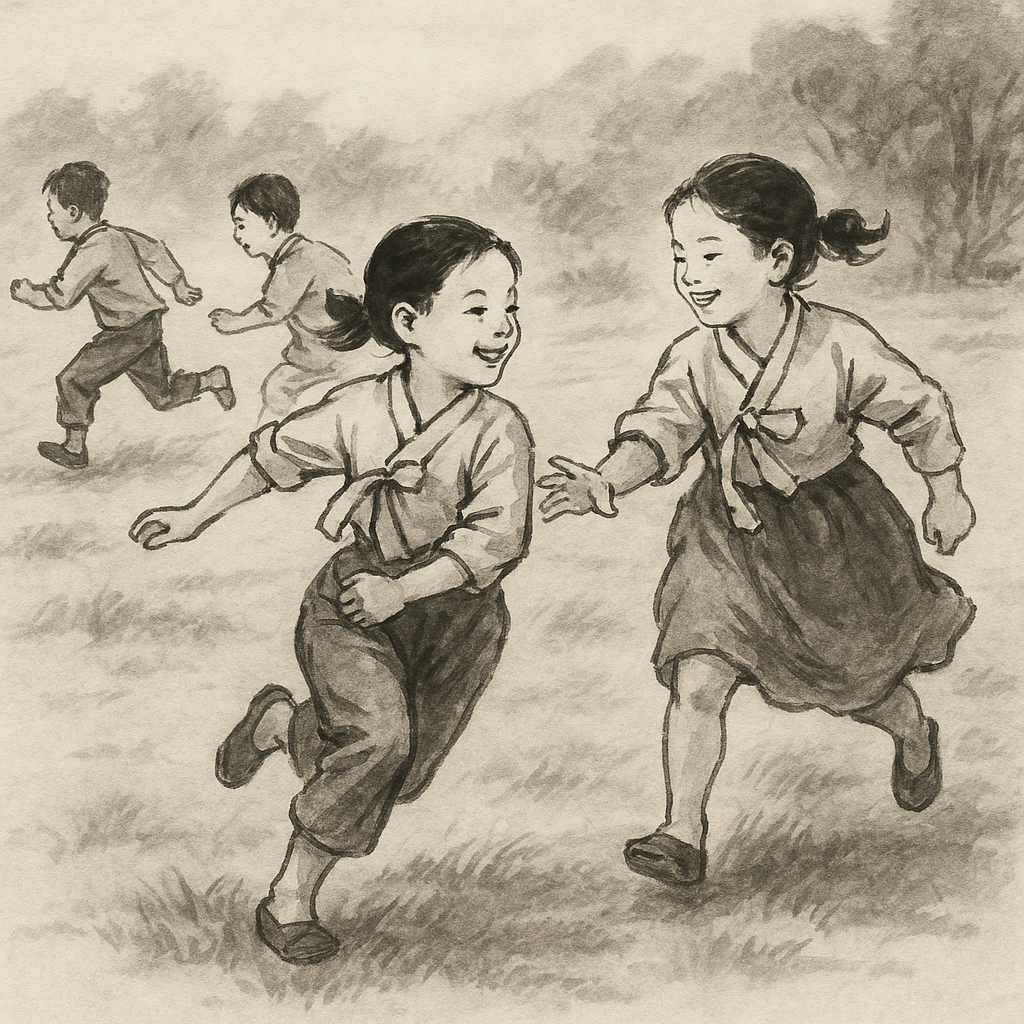
🍂 Korean Traditional Game Series 25Sullae Japgi(술래잡기 · Korean Tag Game)🕰️ 1. IntroductionSullae Japgi (술래잡기), or Korean tag, is one of the most beloved and enduring traditional games in Korea.Played by children in every generation, it captures the essence of movement, laughter, and community.The word sullae means “it” or “seeker,” referring to the person who chases others, and japgi means “to ..