Koreanculture 169

Stories of Korea’s National Treasures : Four Lion Three-story Stone Pagoda of Hwaeomsa Temple

Stories of Korea’s National Treasures 35Photo Credit : Cultural Heritage Administration of KoreaFour Lion Three-story Stone Pagoda of Hwaeomsa Temple(Gurye, Jeollanam-do)🏯 1. The Pagoda Guarded by LionsAt the sacred grounds of Hwaeomsa Temple in Gurye stands one of Korea’s most unique pagodas — the Four Lion Three-story Stone Pagoda, a breathtaking harmony of symbolism and sculpture from the Un..

Korean Traditional Game : Nongak Jangdan Nori

🍂 Korean Traditional Game Series 34Nongak Jangdan Nori(농악놀이 속 장단놀이 · Rhythm Play in Korean Farmer’s Music)🕰️ 1. IntroductionNongak Jangdan Nori (농악놀이 속 장단놀이), meaning “rhythm play in farmer’s music,” is a joyful and energetic traditional performance that blends music, dance, and communal play.Rooted in Nongak (Korean farmer’s band music), this rhythmic play served as both entertainment and a r..

Stories of Korea’s National Treasures : East Three-story Stone Pagoda of Sulljeong-ri, Changnyeong

Stories of Korea’s National Treasures 34Photo Credit: Cultural Heritage Administration of KoreaEast Three-story Stone Pagoda of Sulljeong-ri, Changnyeong(Changnyeong, Gyeongsangnam-do)🏯 1. A Tower Standing in Quiet GraceIn the tranquil fields of Sulljeong-ri, Changnyeong, rises a simple yet elegant structure — the East Three-story Stone Pagoda, a masterpiece of early Unified Silla stone archite..

Korean Traditional Game : Gama Ssaum

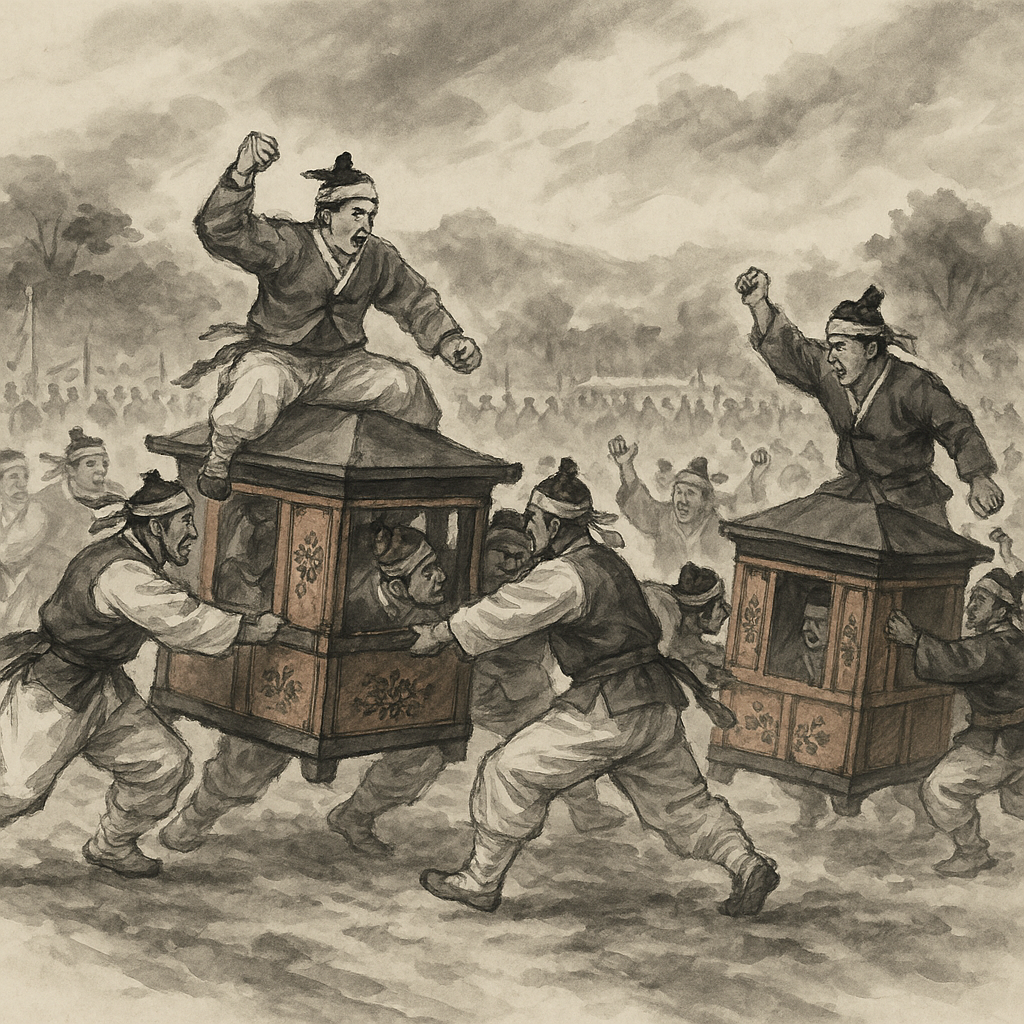
🍂 Korean Traditional Game Series 33Gama Ssaum(가마싸움·Korean Palanquin Battle Game)🕰️ 1. IntroductionGama Ssaum (가마싸움), or “palanquin battle,” is a traditional Korean folk game that symbolizes strength, teamwork, and village pride.Historically played during major festivals or holidays, it featured two teams carrying large wooden gama (palanquins) and clashing in a friendly but powerful contest.Th..

Stories of Korea’s National Treasures : Stele for the Territory Expansion of King Jinheung

Stories of Korea’s National Treasures 33Photo Credit: Cultural Heritage Administration of KoreaStele for the Territory Expansion of King Jinheung(Changnyeong, Gyeongsangnam-do)🏯 1. A Monument to a King’s VisionIn the quiet countryside of Changnyeong, a solitary stone monument stands — the Stele for the Territory Expansion of King Jinheung (Jinheung-wang Cheokgyeongbi).Erected in 561 CE, this st..

Korean Traditional Game : Ssibburigi Nori

🍂 Korean Traditional Game Series 32Ssibburigi Nori(씨 뿌리기놀이 · Korean Seed-Sowing Festival Game)🕰️ 1. IntroductionSsibburigi Nori (씨 뿌리기놀이), meaning “seed-sowing play,” is a traditional Korean agricultural festival held in spring to celebrate the beginning of a new farming season.It symbolizes renewal, gratitude, and hope for a bountiful harvest.Long before machinery, Korean farmers worked close..

Stories of Korea’s National Treasures : Tripitaka Koreana Woodblocks of Haeinsa Temple

Stories of Korea’s National Treasures 32Photo Credit: Cultural Heritage Administration of KoreaTripitaka Koreana Woodblocks of Haeinsa Temple(Hapcheon, Gyeongsangnam-do)🏯 1. The Scriptures Carved in FaithDeep in the mountains of Hapcheon, within the serene halls of Haeinsa Temple, rest over 80,000 wooden printing blocks known as the Tripitaka Koreana, or Palman Daejanggyeong — literally “Eighty..

Stories of Korea’s National Treasures : Cheomseongdae Observatory

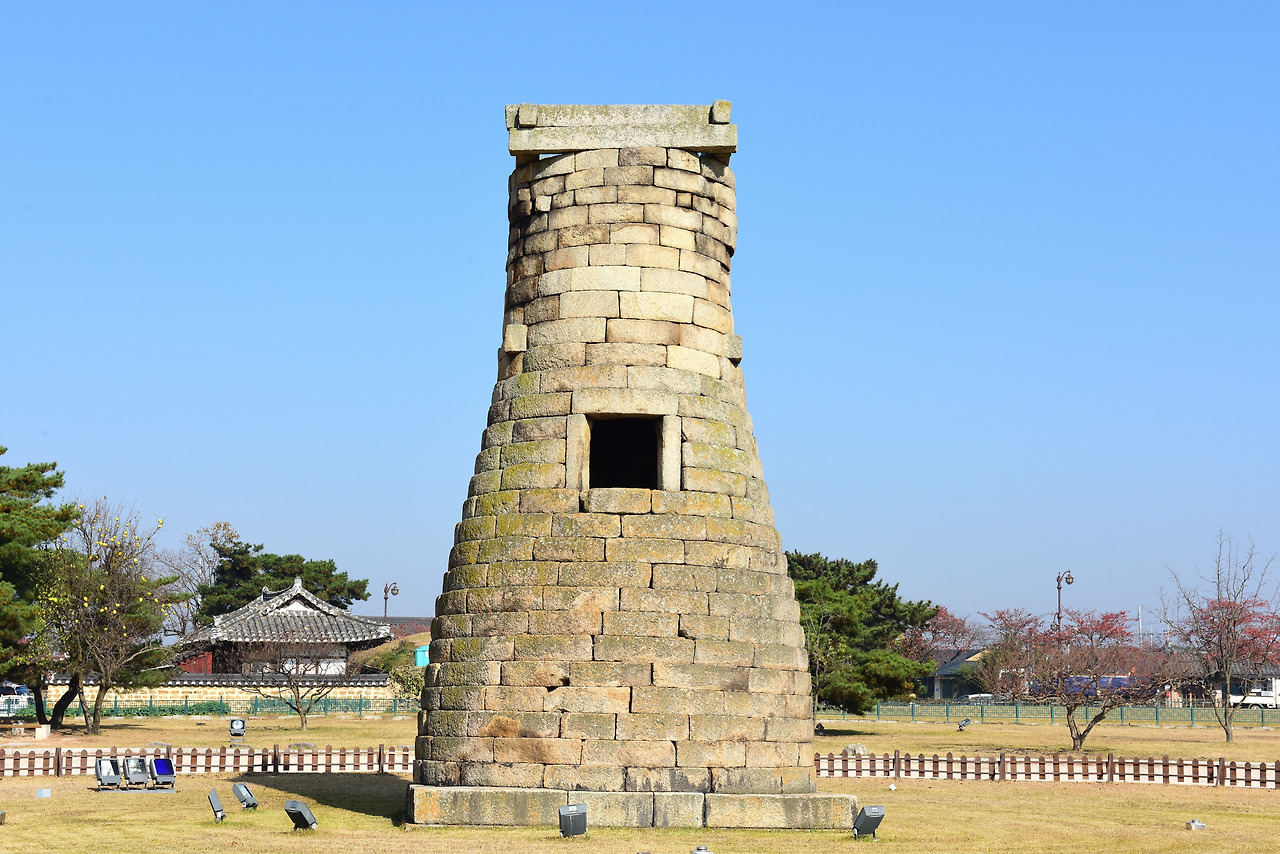
Stories of Korea’s National Treasures 31Photo Credit: Cultural Heritage Administration of KoreaCheomseongdae Observatory(Gyeongju, Gyeongsangbuk-do)🏯 1. The Oldest Observatory in the EastRising quietly over the plains of Gyeongju stands Cheomseongdae, the oldest surviving astronomical observatory in Asia and one of the most iconic landmarks of ancient Korea.Built during the reign of Queen Seond..